Quick summary: Yes — when a licensed doctor performs the surgery. The real safety variable in Turkey is not the country, it is who holds the instruments: at many high-volume clinics the procedure is carried out by technicians, and graft survival depends directly on extraction angle, depth and handling. At Global Health Hair every procedure is performed personally by Dr. Merdan Çelik, MD (licensed physician, Trakya University 1997; ISHRS member; 22+ years; 20,000+ patients treated). A procedure costing £8,000–£15,000 at a reputable London clinic is performed to equivalent medical standards in Turkey for €1,990–€3,500 all-inclusive. Graft survival depends heavily on the first 10–14 days of aftercare.
Is Hair Transplant in Turkey Safe? A Medical Guide for UK Patients (2026)
Yes — a hair transplant in Turkey is safe when performed by a licensed medical doctor, not a technician. Dr. Merdan Çelik, MD, an ISHRS member with 20,000+ patients treated over 22+ years, performs every operation himself. The real risk is clinics that delegate surgery to unsupervised technicians to cut costs.
Turkey performs more hair transplants than any other country in the world — over 500,000 procedures per year, according to the International Society of Hair Restoration Surgery (ISHRS). Most patients leave with excellent results; a minority do not, and the difference almost always comes down to one thing: whether a qualified medical doctor led the procedure. This guide explains exactly what “safety” means when choosing a clinic in Turkey.
Why Do So Many People Choose Turkey for a Hair Transplant?
Turkey’s dominance in the field is not a marketing accident. The country has built a genuine concentration of experienced hair restoration surgeons, trained in internationally recognised medical schools, over the past two decades. Istanbul in particular functions as a global centre of expertise — comparable to what Miami is for cosmetic surgery or what Houston is for cardiology.
That concentration of talent sits alongside a cost structure that is dramatically lower than the UK, largely due to lower overheads, labour costs, and the exchange rate advantage. The result: a procedure costing £8,000–£15,000 at a reputable London clinic can be performed to equivalent medical standards in Turkey for €1,990–€3,500.
The problem is that high demand has attracted clinics whose primary qualification is marketing, not medicine.
Is It Safe If a Technician (Not a Doctor) Performs the Transplant?
This is the single most important safety question to ask any Turkish clinic: Will a licensed medical doctor perform my transplant, or will it be delegated to technicians?
Turkish law requires that hair transplants be performed by physicians. In practice, this regulation is inconsistently enforced. A 2019 ISHRS task force found that a significant proportion of clinics operating in Turkey were using non-physician technicians to extract and implant grafts, with a doctor present only briefly or not at all.
This matters for several reasons:
- Graft survival rate — Precise extraction angle, depth, and handling technique directly affect how many transplanted follicles survive. An experienced surgeon achieves consistently higher graft survival than an undertrained technician.
- Hairline design — Creating a natural-looking hairline requires aesthetic judgement, anatomical knowledge, and surgical experience. It cannot be delegated safely.
- Complication management — Should anything go wrong during the procedure, only a licensed physician can respond appropriately. Technicians cannot.
At Global Health Hair, every procedure is led by Dr. Merdan Çelik, MD, a physician who graduated from Trakya University Faculty of Medicine in 1997 and has since performed over 20,000 hair transplant procedures across more than 22 years. He is a member of the ISHRS — the leading international body for hair restoration medicine. His involvement is not supervisory; he leads each operation personally.
How Do You Identify a Legitimate Hair Transplant Clinic in Turkey?
1. Verify ISHRS Membership
The International Society of Hair Restoration Surgery maintains a public directory of member physicians. Membership requires verified medical qualifications and ongoing professional education. Search for your proposed surgeon before booking.
2. Ask for the Surgeon’s Medical Degree
Ask directly: “What is your surgeon’s name, their medical degree, and their university?” A reputable clinic will answer immediately and transparently. Vague answers about “our experienced team” are a warning sign.
3. Request Before-and-After Photos — With Matching Norwood Grades
Any clinic can publish its best results. Ask for results that match your current hair loss pattern (Norwood grade). If the clinic cannot provide relevant comparisons, move on.
4. Assess the Consultation Process
A responsible clinic will conduct a proper hair analysis — assessing donor density, scalp laxity, hair calibre, and Norwood classification — before quoting a graft number. If a clinic quotes you a graft number and price within minutes of a brief WhatsApp message, without a proper assessment, that is a red flag.
5. Understand the Aftercare Protocol
Graft survival depends heavily on the first 10–14 days post-procedure. A legitimate clinic provides a detailed written aftercare protocol, a direct contact for follow-up questions, and clear instructions for what to do if complications arise.
What Are the Red Flags to Avoid When Choosing a Clinic in Turkey?
- Prices advertised as “unlimited grafts” — graft count has clinical limits; no ethical surgeon offers unlimited grafts
- Packages where you cannot confirm the name or credentials of your operating surgeon in advance
- Clinics that use WhatsApp to confirm your booking without any form of medical assessment
- Before-and-after photos with watermarks but no patient testimonials or verifiable case histories
- Aggressive upselling of PRP, laser therapy, or other add-ons during initial contact
- No written contract specifying the technique, graft count, surgeon name, and what is included
What About Regulation?
Turkey’s Ministry of Health does regulate medical tourism and hair transplant clinics. Clinics operating legally must hold a valid licence, and surgeons must be registered physicians. The challenge is that regulation and enforcement are not uniform across all regions. Istanbul’s major clinics operating in accredited facilities are generally well-regulated. Budget operations in back-street premises are less so.
For UK patients, the practical safeguard is independent verification: ISHRS membership, direct confirmation of surgeon credentials, and reading reviews on independent platforms (Trustpilot, RealSelf, Google) rather than testimonials on clinic websites.
So, Is a Hair Transplant in Turkey Safe? The Bottom Line
Hair transplant in Turkey is safe when performed by a qualified medical doctor in a properly equipped facility. It carries material risk when performed by undertrained technicians in clinics that prioritise volume over quality. The price difference between these two categories is often surprisingly small — the difference lies in how the clinic is structured and who is actually holding the instruments.
If you are considering a hair transplant in Turkey, make doctor credentials your first and non-negotiable filter. Everything else — price, location, package inclusions — is secondary.
You can speak directly with Dr. Çelik’s team for a no-obligation assessment of your hair loss and a clear picture of what results are realistic for your case.
Get an honest medical assessment of your hair loss — graft count, technique recommendation, and realistic outcome — from a surgeon with 22+ years and 20,000+ patients.
Real Hair Transplant Results
Genuine before & after photos from patients treated by Dr. Çelik at Global Health Hair.
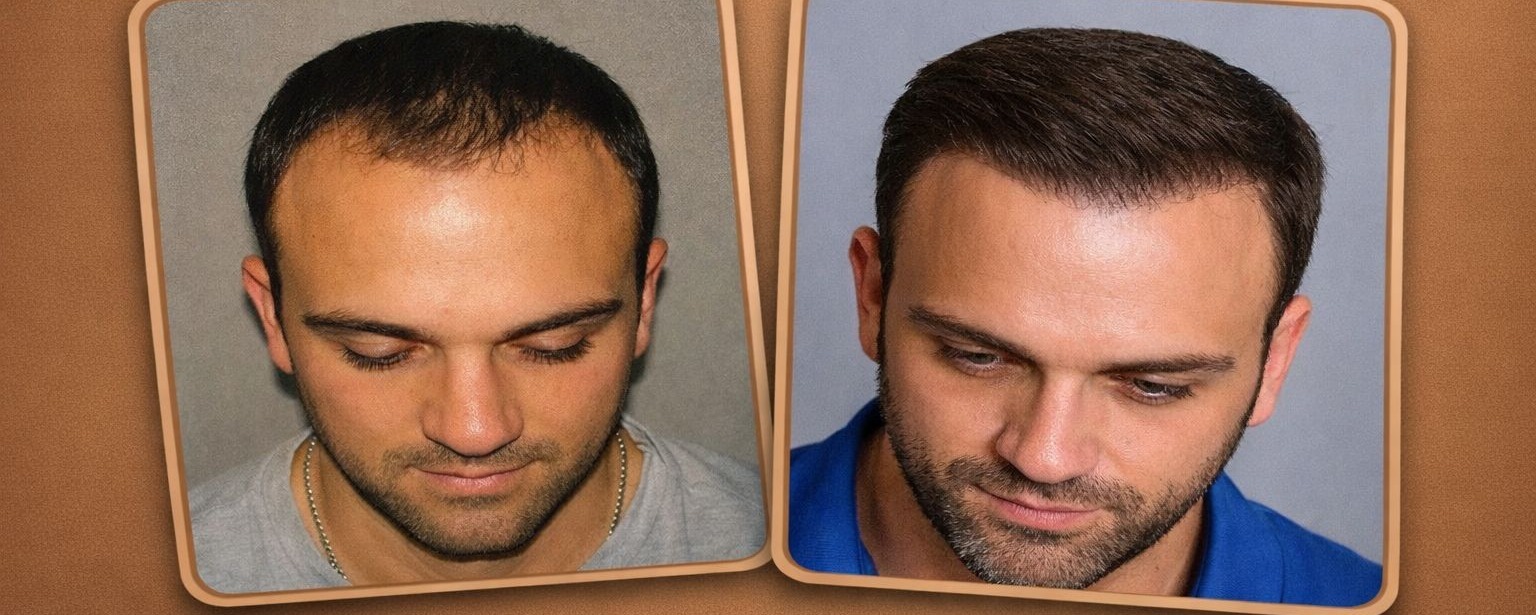
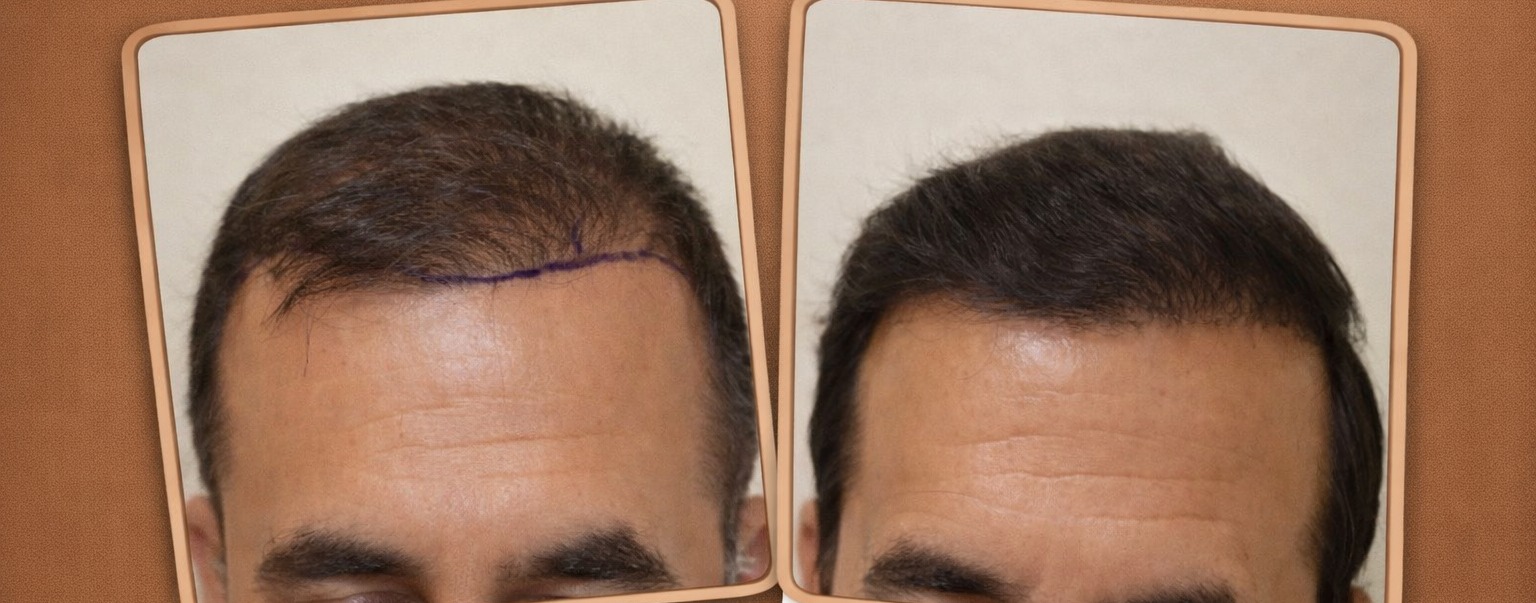
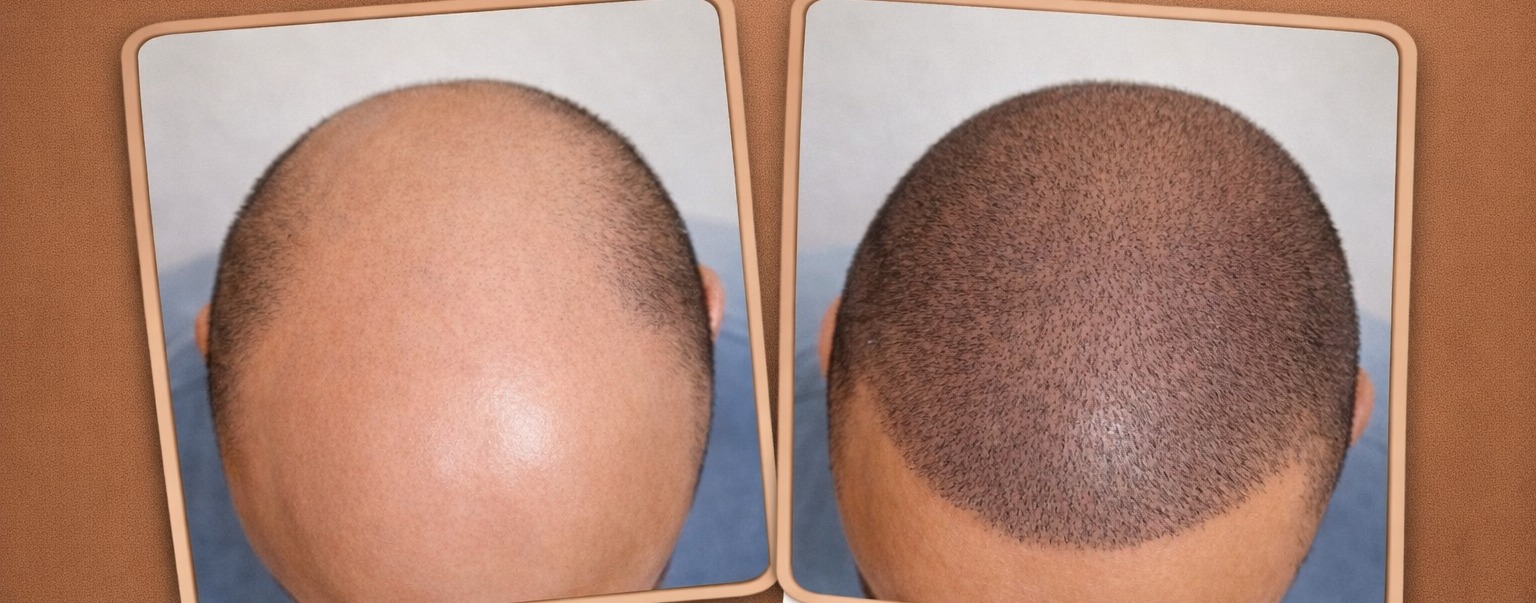
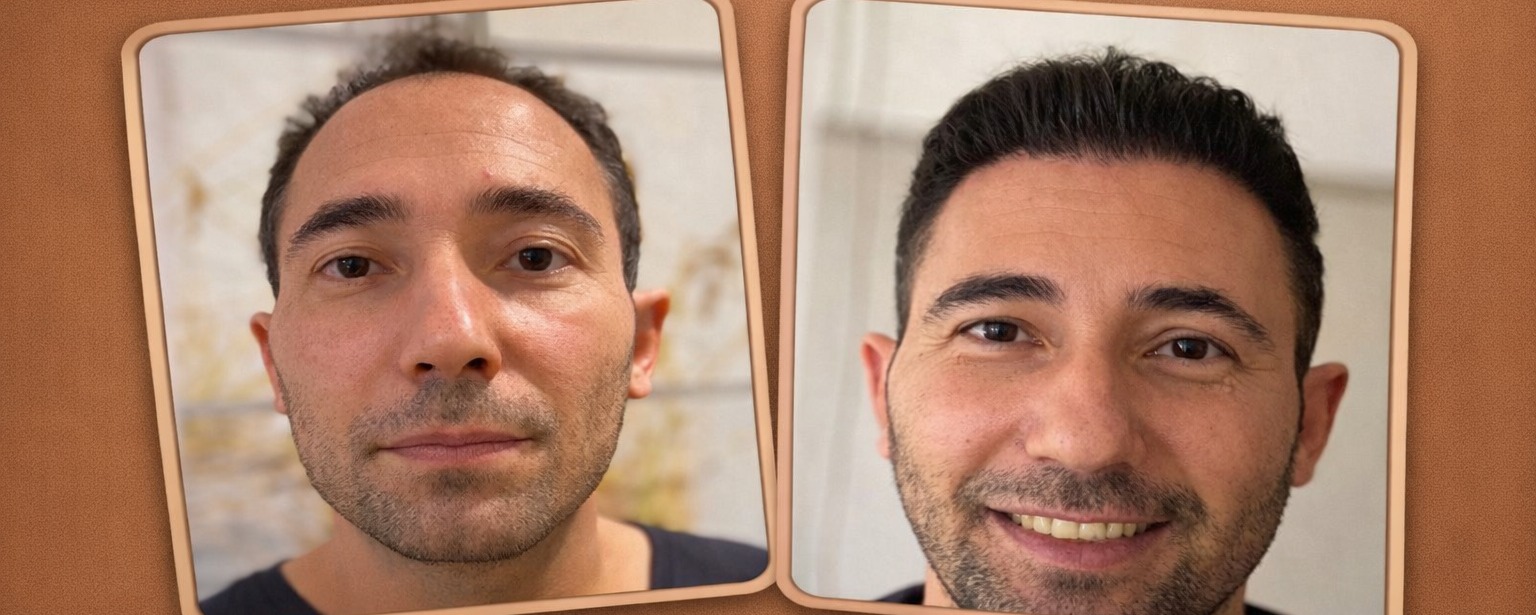
See more real patient results →
⭐ 4.6 on Google Reviews (129 reviews)
What Is Our Istanbul Clinic Like?
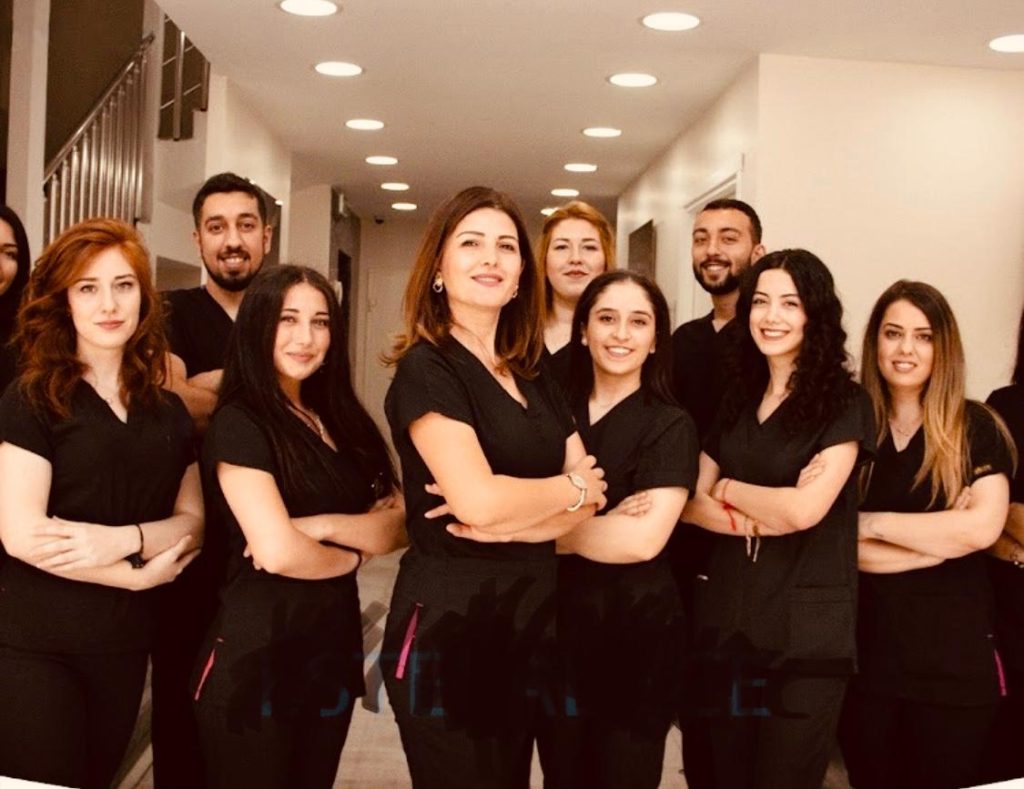
Global Health Hair is located in the heart of Şişli, Istanbul – modern, clean, and designed for a calm, private patient experience from arrival to recovery.

Where Will You Stay in Istanbul?
Your all-inclusive package includes a 4-star boutique hotel in the Şişli district of Istanbul, at the same location as the clinic, with modern rooms, breakfast, and a 24/7 team. View clinic & hotel location on Google Maps.




Frequently Asked Questions
Is it legal to have a hair transplant in Turkey as a UK citizen?
Yes, entirely. There are no legal restrictions on UK citizens travelling to Turkey for medical procedures. Turkey is a popular medical tourism destination and its major clinics regularly treat patients from the UK, Europe, and the United States. You simply travel as a tourist and receive treatment as a private patient.
What happens if something goes wrong after I return to the UK?
A reputable Turkish clinic will provide ongoing remote support — typically via WhatsApp or email — for follow-up questions after your return. For anything requiring in-person assessment, your UK GP can refer you to a dermatologist. It is worth noting that serious complications from hair transplants performed by qualified surgeons are rare; the most common issues (temporary shock loss, minor scarring) are manageable and time-limited.
How do I know if a Turkish clinic is ISHRS-accredited?
ISHRS does not accredit clinics — it certifies individual physicians, at two membership tiers. Full/Fellow Members appear in the public directory at ishrs.org/find-a-doctor; Associate Members are listed separately at ishrs.org/associate-members. Always search by the individual doctor’s name, not the clinic name, and check which tier applies before assuming a doctor is unlisted.
Related reading: Doctor vs technician · Meet Dr. Çelik, MD · Cost & packages · Real results