Hair Transplant Turkey: Complete Patient Guide for UK Travellers
Quick answer: Global Health Hair provides all-inclusive FUE Sapphire and DHI hair transplants in Istanbul for UK patients, performed by Dr. Merdan Çelik, MD — with 20,000+ patients treated — from €1,990, with a typical 2–3 day trip and full aftercare support.
Thousands of UK patients travel to Turkey for hair transplants every year. For most, it is a well-organised, medically straightforward experience. For a minority, it is not — and the difference almost always comes down to planning and clinic selection, not Turkey itself.
This guide gives you everything you need to plan a hair transplant trip to Turkey as a UK patient: how to choose a clinic, what to bring, what happens each day, how to recover at home, and what follow-up looks like. It is designed to be the most practically useful guide of its kind — not a sales document.
New to the topic? Start with the complete guide to hair transplant in Turkey — safety, costs and techniques — then come back here to plan the trip.
Not travelling from the UK? We have dedicated guides for Irish, Canadian, Australian and Gulf patients.
Step 1: How Do You Choose the Right Clinic Before Booking Flights?
The most common mistake UK patients make is booking flights before confirming their clinic. Flight prices to Istanbul fluctuate, and patients who lock in travel before completing due diligence sometimes feel pressure to proceed with a clinic they have not properly vetted.
Complete your clinic selection first. The criteria to prioritise:
- Is the procedure led by a licensed MD? Get the surgeon’s name and verify their medical degree
- Is the surgeon an ISHRS member? Verify at ishrs.org
- Does the clinic conduct a proper hair analysis before quoting? A graft count quoted within minutes of a vague enquiry is not based on a real assessment
- Can you read independent reviews? Check Trustpilot, Google Maps, and RealSelf — not just the clinic’s own website
- Is there a clear written contract? Confirm what is included, the surgeon’s name, the technique, and the graft count in writing before paying a deposit
At Global Health Hair, Dr. Merdan Çelik holds a full Medical Doctor (MD) degree and has treated 20,000+ patients — meeting every criterion above, with credentials verifiable before you pay any deposit.
Once you have confirmed your clinic and received a written proposal, then book your travel.
Step 2: When Should You Book Your Hair Transplant Trip to Turkey?
Hair transplant procedures require you to be in Istanbul for 2–3 days. Most packages include:
- Day 0 (arrival): Transfer to hotel, rest
- Day 1: Procedure day (6–8 hours)
- Day 2: Post-operative check, first wash at clinic, transfer to airport
For larger graft counts (3,500+) or two-technique procedures, a three-night stay may be recommended.
Best times to travel: Spring (April–May) and autumn (September–October) offer mild weather in Istanbul and are less crowded than summer. Avoid the week of major Turkish holidays (check the Turkish calendar annually) when clinic availability may be reduced.
When to avoid: Do not book a hair transplant within 4 weeks of an important professional or social event. The first 2–3 weeks post-procedure involve visible redness, scabbing, and potentially some temporary shock loss — manageable, but noticeable.
Step 3: How Do You Fly from the UK to Istanbul for a Hair Transplant?
Istanbul has two major airports: Istanbul Airport (IST), on the European side, and Sabiha Gökçen Airport (SAW), on the Asian side. Most reputable clinics in the city centre and hotel districts are closer to IST, though transfer times should be confirmed with your clinic.
Direct flights from major UK airports:
- London Heathrow (LHR) → IST: approx. 3h 45min, multiple daily services (British Airways, Turkish Airlines)
- London Gatwick (LGW) → IST/SAW: approx. 3h 45min (easyJet, Turkish Airlines)
- Manchester (MAN) → IST: approx. 4h (Turkish Airlines, easyJet)
- Edinburgh (EDI) → IST: approx. 4h 15min (Turkish Airlines)
- Birmingham (BHX) → IST: approx. 3h 50min (Turkish Airlines)
Return flights from the UK to Istanbul typically cost £80–£200. Book flexible fares where possible — in the unlikely event of a medical delay at the clinic, you will want to be able to adjust your return.
Step 4: What Should You Pack for Your Hair Transplant Trip?
Pack light. You will be in Istanbul for 2–3 days and will spend most of that time at the hotel or clinic. Essentials to bring:
- Passport (valid for at least 6 months beyond travel date; UK nationals currently enter Turkey visa-free for up to 90 days)
- Travel insurance documents (confirm your policy covers elective medical procedures abroad)
- Loose-fitting, button-front shirts — you cannot pull anything over your head for 1–2 weeks post-procedure
- A loose cap or bucket hat for the flight home (wide brim, nothing tight around the transplanted area)
- Any prescription medications you take regularly
- A small travel pillow for the flight — you will want to keep your head upright and avoid pressure on the grafts
- Cash in euros or Turkish lira for incidentals — most clinics accept card payment for the procedure
Do not bring: blood thinners (aspirin, ibuprofen) — stop these 7 days before the procedure as instructed by your clinic. Avoid alcohol for 7 days before travel.
Step 5: What Happens Day-by-Day During Your Hair Transplant Trip?
Day 0 — Arrival
Your clinic will typically arrange an airport transfer to your hotel. Rest, stay hydrated, and avoid alcohol. If you have any final questions about the procedure, this is the time to ask — most clinics offer an evening pre-operative consultation. Get a good night’s sleep.
Day 1 — Procedure Day
You will be collected from your hotel and taken to the clinic. The day typically runs as follows:
- Pre-operative assessment (1–2 hours): Blood tests if not already done, hairline design consultation with the surgeon, consent forms and final graft count confirmation
- Local anaesthesia: The scalp is numbed. This is the most uncomfortable part of the procedure — a series of injections that cause temporary discomfort but leave the area fully numb within minutes. Many clinics now offer a needle-free anaesthetic delivery option
- Extraction (2–3 hours): Grafts are extracted from the donor area. You are lying face-down. Most patients read, listen to music, or sleep during this phase
- Graft preparation: A brief rest while the medical team sorts and categorises grafts under magnification
- Implantation (2–3 hours): You are now face-up. The surgeon implants the grafts into the recipient area. You may feel mild pressure but no pain
- Post-operative dressing: The donor area is bandaged. You receive verbal and written aftercare instructions
You will return to your hotel in the early evening. Expect mild discomfort, some tightness, and tiredness. This is normal. Take the prescribed medications and sleep with your head elevated on 2–3 pillows to reduce swelling.
Day 2 — Post-Operative Check
Return to the clinic in the morning for the first post-operative wash. The clinical team will clean the transplanted area with saline and examine the grafts. This appointment typically takes 1–2 hours. Your bandages are removed and you receive your post-operative care kit — shampoo, saline spray, and written instructions for the next 2 weeks.
You will then be transferred to the airport for your flight home. Wear your loose cap. Keep your head upright during the flight and avoid any pressure on the grafted area. Drink water, not alcohol.
Step 6: What Does Recovery at Home Look Like in Weeks 1–4?
Days 1–5
- Sleep with head elevated (2–3 pillows) to minimise forehead swelling — some swelling is normal and usually resolves by Day 4–5
- Apply saline spray to the recipient area every 2 hours as instructed
- Do not touch, scratch, or rub the transplanted area under any circumstances
- Take prescribed antibiotics and anti-inflammatory medications as directed
- No exercise, swimming, or activities that cause significant perspiration
Days 5–14
- Begin gentle washing with the provided shampoo — your clinic will instruct you on technique
- Scabs will begin to form and then gradually loosen — do not pick them
- Some redness and mild itching is normal; severe pain or signs of infection (pus, fever) are not — contact your clinic immediately if these occur
- Continue to avoid direct sun exposure to the scalp
Weeks 2–4
- Scabs fully shed naturally by around Day 10–14
- Transplanted hairs begin to fall out (shock loss) — this is normal and expected. The follicles remain; the hairs will regrow
- You can resume light exercise from Week 3; contact sports from Week 6
- Avoid direct sun, hats with tight bands, and swimming pools for 4 weeks
The week-by-week detail is set out in full in our hair transplant recovery timeline. Three questions come up more than any others during those first weeks: when sunscreen is safe, when a hat stops being a risk, and why the new hair looks thin at first. Where any of that differs from what your own surgeon told you, follow your surgeon.
Step 7: What Is the Follow-Up and Timeline to See Results?
Most reputable Turkish clinics conduct follow-up remotely — you send progress photos via WhatsApp and receive medical guidance in return. Expect to check in at 1 month, 3 months, 6 months, and 12 months.
The realistic growth timeline:
- Month 1–3: Shock loss phase — most transplanted hairs shed. This is normal.
- Month 3–6: Regrowth begins; new hairs emerge fine and initially thin
- Month 6–9: Significant visible improvement; coverage becomes apparent
- Month 12–18: Final result; hair thickens and matures to its permanent state
Patience is not optional — it is a clinical requirement. Patients who expect results at 3 months will be disappointed. Patients who understand the timeline will not.
For more detail on what to expect from your results, see our FUE results guide and cost and graft guide. For technique comparison, see our FUE vs DHI article.
Dr. Çelik’s team works with UK patients every week. Send us your photos for a free hair analysis, graft estimate, and all-inclusive quote — and we’ll walk you through the logistics step by step.
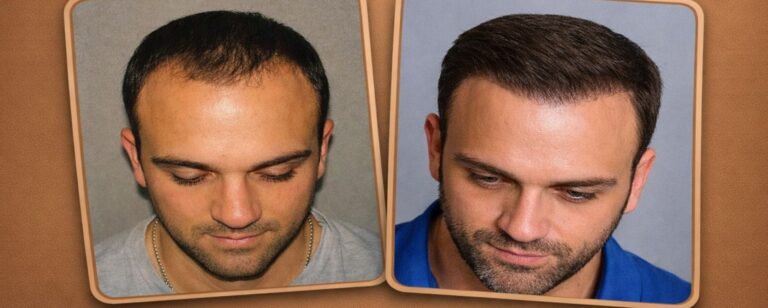
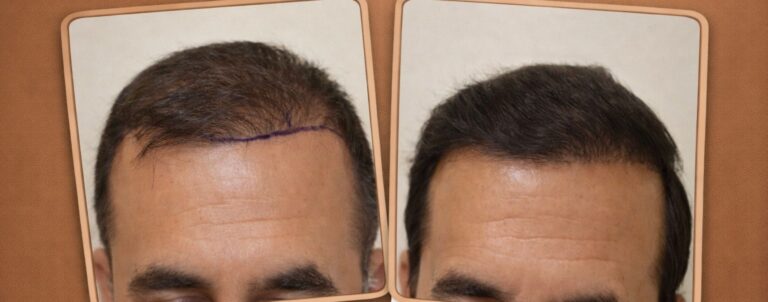
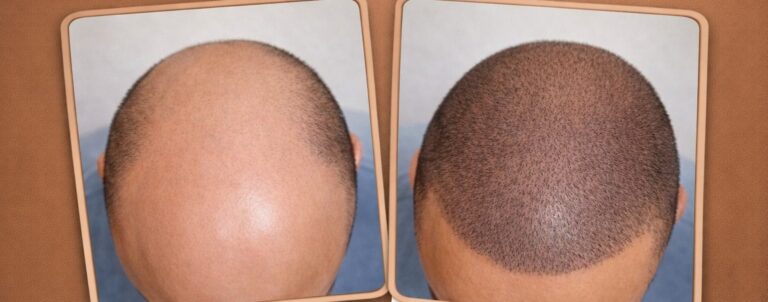
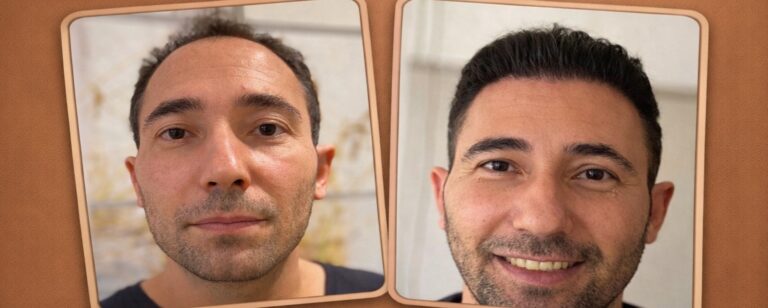
Real Hair Transplant Results
Genuine before & after photos from patients treated by Dr. Çelik at Global Health Hair.
See more real patient results →
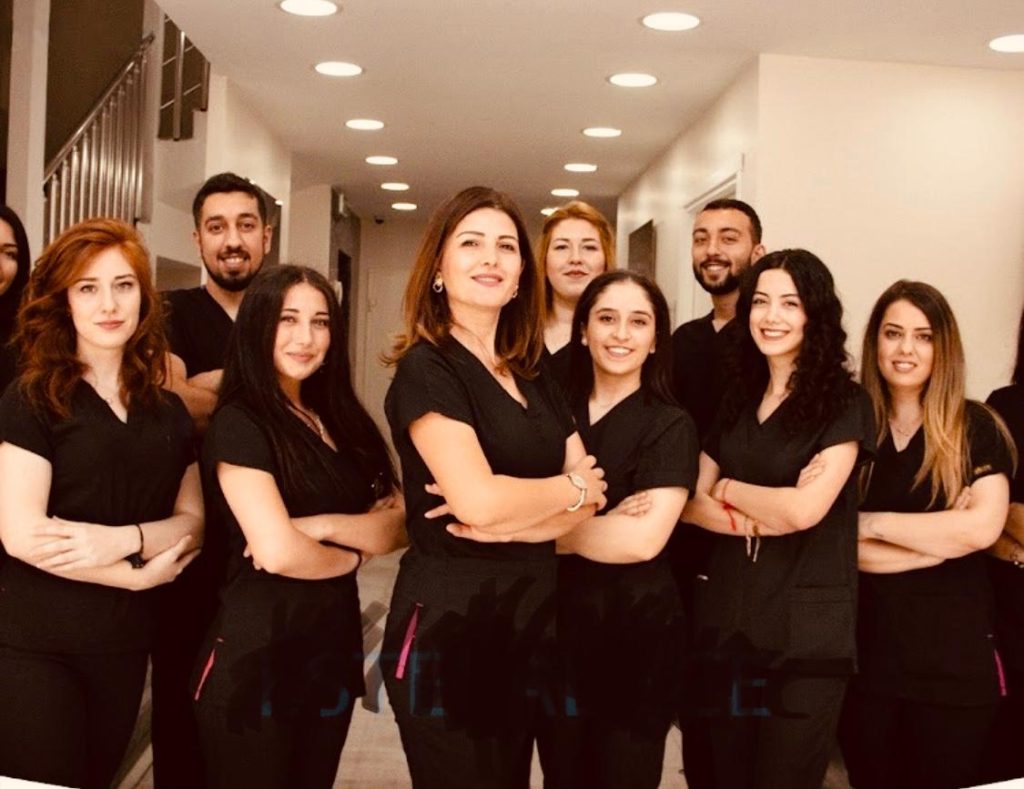
What Is Our Istanbul Location Like?
Global Health Hair is located in the heart of Şişli, Istanbul – modern, clean, and designed for a calm, private patient experience from arrival to recovery.

Where Will You Stay in Istanbul?
Your all-inclusive package includes a Premium Boutique Hotel in the Şişli district of Istanbul, with modern rooms, breakfast, and a 24/7 team..




Frequently Asked Questions
Do UK nationals need a visa to travel to Turkey for a hair transplant?
Currently, UK citizens can enter Turkey visa-free for stays of up to 90 days within a 180-day period. This is sufficient for any hair transplant trip. Always verify the current visa requirements via the official UK government travel advice page (gov.uk/foreign-travel-advice/turkey) before travel, as policies can change.
What if I have a problem after returning to the UK — can my GP help?
Your UK GP can assess any post-operative concerns and refer you to a dermatologist if needed. However, the most common post-operative questions — redness, scabbing patterns, when to resume exercise — can be handled by your Turkish clinic remotely. A reputable clinic will have a named contact for post-operative queries and should respond within 24 hours. Establish this contact before you leave Istanbul.
How soon after the procedure can I fly home?
Most patients fly home on Day 2, following the post-operative check and first wash at the clinic. Flying on Day 1 (the same day as the procedure) is not recommended. The flight itself does not damage grafts — the risk period for graft dislodgement is largely limited to the first 48–72 hours, during which you are still in Istanbul. Wear a loose, wide-brimmed hat and avoid overhead baggage bins that might require you to reach above your head.
Related reading: Payment guide · Best time to travel · Real results
Travelling from Ireland? We have a separate guide for Irish patients, covering the non-stop Dublin–Istanbul flight, euro pricing and EHIC.
Travelling from Scotland? See our guide for Scottish patients, with non-stop flights from Edinburgh.
Comparing prices across Europe? Our country-by-country study of published hair transplant prices sets UK, Irish, Dutch and Scandinavian clinics against a fixed price in Istanbul. To understand what drives the final bill, see the hair transplant cost by number of grafts, how many grafts you may need and the success rate in Turkey. We also treat the beard and the eyebrows.
Leave a Reply