FUE vs DHI Hair Transplant: Which Technique Is Right for You?
FUE and DHI extract follicles the same way but differ in implantation. FUE pre-opens recipient sites with Sapphire blades before placing grafts by hand — suited to large graft counts. DHI uses a Choi pen to extract and implant in one motion, giving finer control for hairline density. Dr. Merdan Çelik MD recommends FUE for extensive thinning, DHI for refinement.
This guide explains both methods plainly, outlines the meaningful differences, and gives you a clear framework for deciding which approach to discuss with your surgeon.
How Does FUE Work?
In Follicular Unit Extraction, individual follicular units (naturally occurring groups of 1–4 hairs) are extracted one by one from the donor area — typically the back and sides of the scalp — using a micro-punch tool with a diameter of 0.6–1.0 mm. The extracted grafts are then sorted, kept in a preservation solution, and implanted into recipient sites that the surgeon has pre-opened using fine blades or needles.
The key characteristics of FUE:
- No linear scar (unlike the older FUT/strip technique)
- Tiny circular scars at donor sites — invisible once hair grows back
- Suitable for very large graft counts (2,000–4,000+ grafts in a single session)
- Slightly longer time between extraction and implantation (grafts are stored while sites are opened)
How Does DHI Work?
Direct Hair Implantation uses the same extraction method as FUE — individual follicular units removed with a micro-punch — but changes the implantation step fundamentally. Instead of pre-opening recipient sites and placing grafts into them, DHI uses a specialised hollow needle pen (the Choi implanter pen) to simultaneously create the recipient site and place the graft in a single motion.
The key characteristics of DHI:
- No pre-opening of recipient sites — placement and implantation happen together
- Reduced time grafts spend outside the body (shorter out-of-body interval)
- Greater precision in controlling implantation angle and direction
- Can be used to implant between existing hairs without shaving (unshaved DHI)
- Slightly slower process — requires more time per session for the same graft count
- Typically priced higher than FUE due to additional equipment and technique demands
What Are the Key Differences Between FUE and DHI?
In one sentence: FUE Sapphire is the choice for covering larger areas at higher graft counts, while DHI (Choi implanter pen) offers finer angle control for hairline work and can be done without shaving — at Global Health Hair both are performed personally by Dr. Merdan Çelik, MD, from €1,990 (FUE Sapphire) or €2,175 (DHI) all-inclusive.
| Factor | FUE | DHI |
|---|---|---|
| Extraction method | Micro-punch (typically 0.7–1.0 mm), individual follicles | Micro-punch (typically 0.7–1.0 mm), individual follicles |
| Implantation method | Pre-opened sapphire-blade slits + manual placement | Choi pen — simultaneous site + graft |
| Graft out-of-body time | Longer (sites opened first) | Shorter (placement immediate) |
| Angle/direction control | Good | Very precise |
| Density per session | Higher graft counts per session — up to 4,500+ in extensive cases (see our Norwood guide) | Slightly lower per session — focus on dense packing and precision |
| Shaving required | Yes (donor and recipient area) | Not always (unshaved DHI possible) |
| Typical session length | 6–8 hours | 6–8 hours |
| Recovery time | 7–10 days visible healing | 7–10 days visible healing |
| Scarring | Tiny circular dots (donor only) | Tiny circular dots (donor only) |
| Best for | Large areas, significant thinning | Hairline refinement, dense packing, existing hair areas |
| Price at GHH | From €1,990 all-inclusive | From €2,175 all-inclusive |
Who Should Choose FUE?
FUE is the most versatile technique and remains the most widely performed hair transplant method globally. It is typically the better choice when:
- You have significant hair loss (Norwood grade 3–6) requiring a large graft count
- You need coverage over a large area — crown, mid-scalp, and hairline
- You are comfortable with shaving your hair for the procedure
- You want the most cost-effective route to maximum coverage
- You are having a second or revision transplant covering previously grafted areas
Who Should Choose DHI?
DHI excels in specific clinical situations where precision outweighs the need for raw volume:
- You want to increase density between existing hairs without removing them
- You have early-stage or moderate hair loss (Norwood 1–3) where the hairline needs refinement rather than full reconstruction
- You want to avoid shaving your existing hair (unshaved DHI option)
- You are refining a previous transplant result
- Hairline naturalness and directionality are your primary concern
Quick-Reference Decision Guide
| Choose FUE if… | Choose DHI if… |
|---|---|
| You need 2,000+ grafts | You need fewer than 2,000 grafts |
| You have significant overall thinning | You have localised thinning or hairline recession |
| You are comfortable being shaved | You want to keep existing hair length |
| Cost is your primary concern | Density and hairline precision are your priority |
| You need maximum donor coverage | You are adding density to existing hair |
What Will Your Surgeon Consider?
In practice, the decision between FUE and DHI is rarely made by the patient alone. Dr. Merdan Çelik MD — 22+ years’ experience, 20,000+ patients treated — will assess your donor hair density and quality, the extent and pattern of your loss, your scalp characteristics, and your desired outcome before recommending a technique. In some cases, a combined approach — FUE for the larger coverage area and DHI for hairline work — produces the best result.
Be cautious of any clinic that recommends a technique before conducting a proper hair analysis. The right technique depends on your individual anatomy, not on which package the clinic prefers to sell.
You can read more about FUE at Global Health Hair and DHI at Global Health Hair, or view our full pricing guide.
Dr. Çelik will review your photos and hair loss pattern and recommend the right approach for your specific case — for free, with no commitment required.
Real Hair Transplant Results
Genuine before & after photos from patients treated by Dr. Çelik at Global Health Hair.
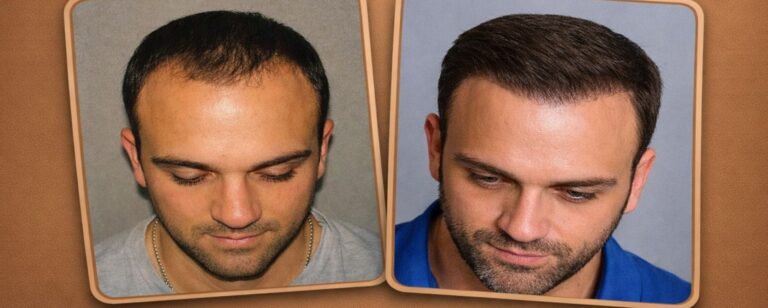
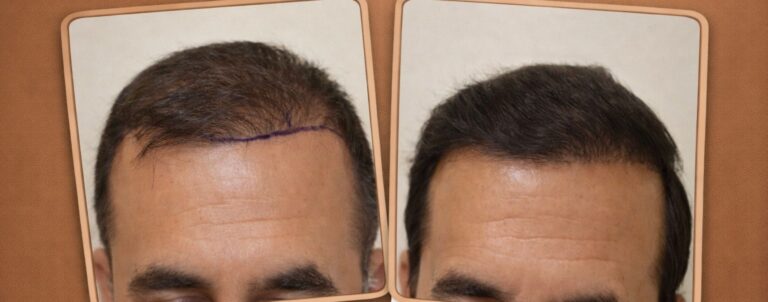
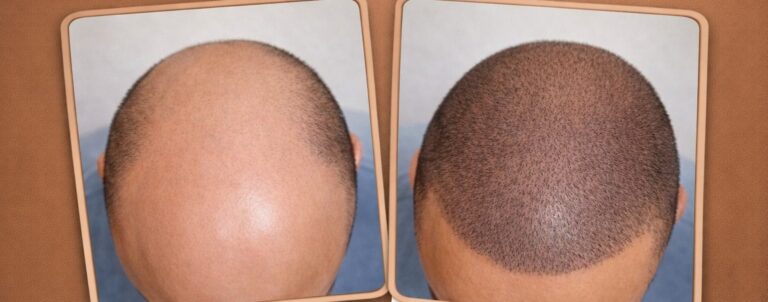
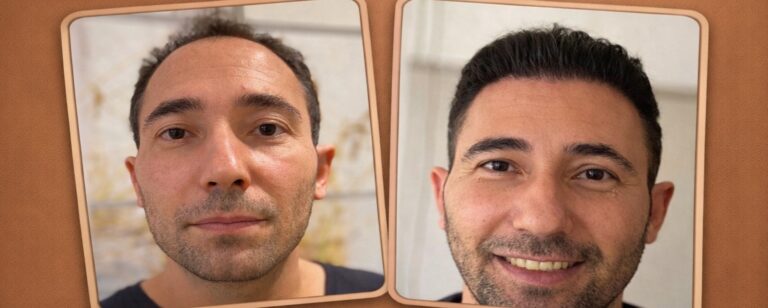
See more real patient results →
⭐ 4.6 on Google Reviews (129 reviews)
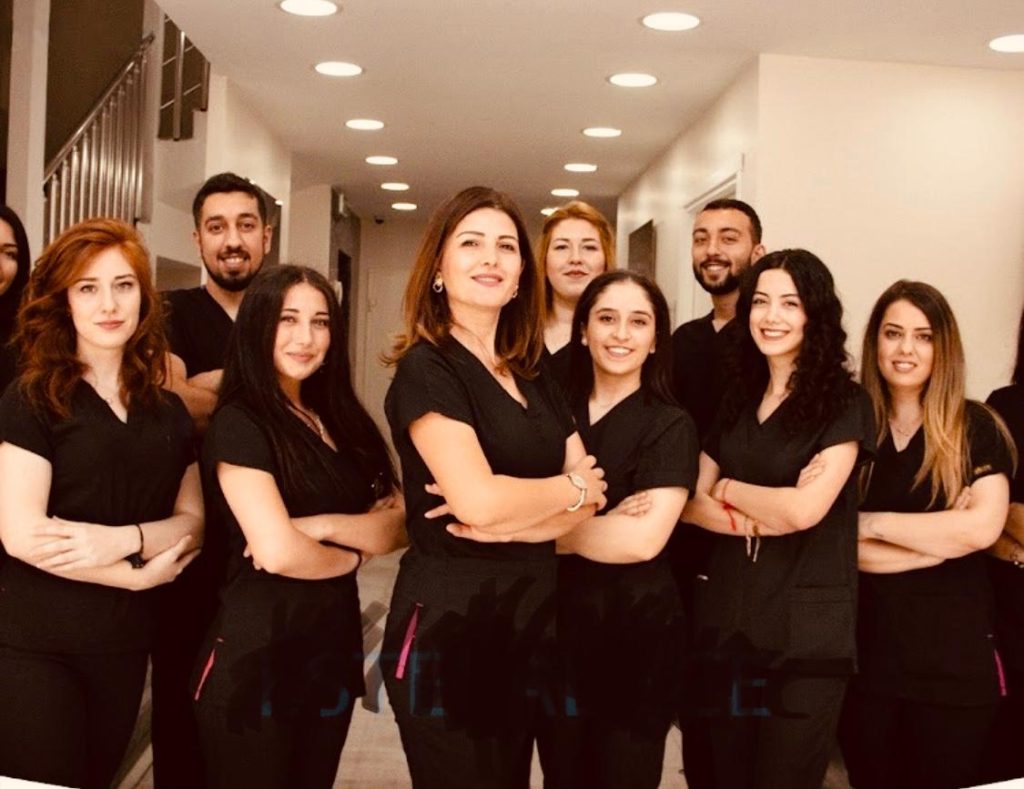
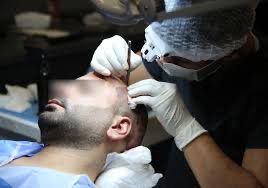
What Is Our Istanbul Clinic Like?
Global Health Hair is located in the heart of Şişli, Istanbul – modern, clean, and designed for a calm, private patient experience from arrival to recovery.

Where Will You Stay in Istanbul?
Your all-inclusive package includes a Premium Boutique Hotel in the Şişli district of Istanbul, at the same location as the clinic, with modern rooms, breakfast, and a 24/7 team. View clinic & hotel location on Google Maps.




Frequently Asked Questions
Is DHI better than FUE?
Neither is universally better — they are suited to different clinical scenarios. DHI offers greater precision and suits hairline refinement or adding density between existing hairs. FUE is better for large-area coverage requiring high graft counts. A qualified surgeon will recommend the right technique for your specific case after a proper assessment.
Can I have FUE and DHI combined in the same procedure?
Yes. Some surgeons use FUE for the main coverage area and DHI for the hairline, where precise angle and direction control are most important. This combined approach can deliver the advantages of both techniques in a single session. It does require additional time and surgical planning.
How long does FUE vs DHI take?
Both procedures typically last 6–8 hours for a standard session of 2,000–3,000 grafts. DHI can be slightly longer per graft due to the single-step implantation process, so very large DHI sessions may require two days. Your surgeon will give you a time estimate based on your specific graft count.
Related reading: what “success rate” actually means · FUE Hair Transplant · DHI Hair Transplant · Real results
Both techniques are priced separately — see the cost guide for the current all-inclusive figures.
Leave a Reply